
hapday

user

How Free Mental Health Support Promotes Community Well-Being

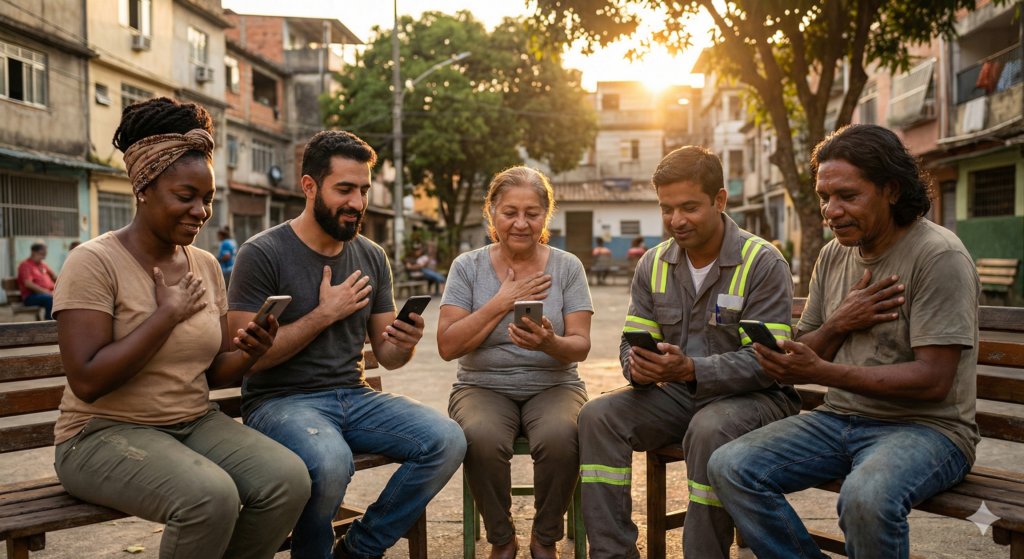
Introduction Mental health isn’t just an individual concern—it affects entire communities. When people struggle with stress, anxiety, or depression, it can impact relationships, workplaces, schools, and neighborhoods. Conversely, strong mental health among individuals strengthens the social fabric, creating healthier, more resilient communities. Free mental health support plays a crucial role in promoting community well-being by providing accessible care to everyone, regardless of economic status. By addressing mental health needs early and consistently, communities can thrive collectively. This article explores how free mental health support fosters stronger communities and encourages a culture of care and connection. Understanding the Community Impact of Mental Health Mental health challenges ripple outward. When individuals struggle: Addressing mental health at the individual level strengthens the larger community. Accessibility: A Key Factor for Community Wellness Free mental health support removes financial and logistical barriers, ensuring that all members of a community can access care. Benefits include: When everyone has access to mental health resources, community resilience grows. Fostering Connection and Support Networks Community well-being is strengthened when individuals feel connected and supported. Free mental health tools encourage: Connected individuals contribute to more cohesive, compassionate communities. Supporting Schools and Youth Programs Youth are especially vulnerable to stress, anxiety, and social pressures. Free mental health support within schools or youth programs helps: Healthy youth strengthen the foundation of thriving communities. Reducing Stigma in Communities Stigma often prevents individuals from seeking mental health support. Free, accessible platforms help normalize mental wellness by: Communities that openly support mental health become safer, more inclusive, and understanding. Enhancing Workplace and Organizational Well-Being Organizations and workplaces are key components of community health. Free mental health resources: When employees are mentally well, it positively affects the broader community. Supporting Vulnerable Populations Communities contain individuals who may lack family support, face economic challenges, or experience social isolation. Free mental health support ensures that: This equitable access builds stronger, fairer communities. Long-Term Benefits for Communities When mental health is prioritized, communities experience: Healthy individuals contribute to healthy communities, creating a positive feedback loop. The Role of Free Mental Health Organizations Organizations like Hopemind Foundation provide 100% free, AI-powered mental health support, reaching people worldwide and creating ripple effects that strengthen communities. Their work ensures: Conclusion Mental health is a community matter. Free mental health support empowers individuals, reduces isolation, and fosters emotional resilience, creating healthier and more connected communities. By providing accessible, judgment-free support, organizations like Hopemind Foundation strengthen the social fabric, ensuring that individuals and communities alike can thrive, grow, and support one another.

How Free Mental Health Support Promotes Community Well-Being Read More »

How Free Mental Health Support Strengthens Relationships

Introduction Healthy relationships are essential for emotional well-being. Family bonds, friendships, and romantic partnerships provide support, connection, and a sense of belonging. Yet stress, anxiety, and unresolved emotional challenges can strain relationships, causing misunderstandings, distance, and emotional frustration. Free mental health support helps individuals manage emotions, develop communication skills, and build stronger connections with those around them. By offering accessible, judgment-free guidance, it empowers people to nurture healthier relationships and maintain emotional balance. This article explores how free mental health support contributes to stronger, more resilient interpersonal connections. How Mental Health Impacts Relationships Emotional challenges can interfere with relationships in many ways: Without support, these issues can create tension and weaken bonds over time. The Role of Emotional Awareness Free mental health tools help individuals understand and process their emotions, a crucial step for improving relationships. Benefits include: When people understand themselves better, they interact with others more mindfully. Communication Skills and Conflict Management Many relationship problems stem from miscommunication. AI-powered mental health support offers guidance on: Learning these skills strengthens trust and mutual understanding. Supporting Emotional Regulation Uncontrolled stress and emotional outbursts can damage relationships. Free mental health support helps individuals regulate their emotions through: By managing emotions effectively, people contribute to healthier, more harmonious relationships. Reducing Isolation Through Emotional Support Feeling emotionally unsupported often leads to withdrawal and loneliness, which can affect relationships. Accessible mental health support provides: Feeling understood reduces relational stress and improves connection. Supporting Families and Caregivers Families and caregivers often face unique pressures. Free mental health resources empower them to: This support strengthens both individual and collective well-being. Accessible Support for Couples Romantic relationships can also benefit from free mental health support. Tools provide guidance on: By improving emotional communication, couples can navigate challenges more effectively. The Role of Free Mental Health Organizations Organizations like Hopemind Foundation provide 100% free, AI-powered mental health support, helping people strengthen relationships worldwide. Their services: Long-Term Impact on Relationships When individuals access free mental health support, they experience: Stronger individuals lead to stronger relationships, benefiting families, friendships, and communities. Conclusion Relationships thrive when individuals understand themselves and manage their emotions effectively. Free mental health support offers guidance, tools, and reassurance, helping people communicate better, handle stress, and nurture meaningful connections. By prioritizing mental wellness, organizations like Hopemind Foundation empower individuals to build healthier relationships, fostering stronger bonds that last a lifetime.

How Free Mental Health Support Strengthens Relationships Read More »

How Free Mental Health Support Improves Workplace Well-Being

Introduction The modern workplace is fast-paced, competitive, and often stressful. Deadlines, multitasking, interpersonal conflicts, and the pressure to perform can all take a toll on employees’ mental health. When stress and burnout go unaddressed, productivity declines, absenteeism rises, and workplace morale suffers. Free mental health support is emerging as a vital solution. By providing accessible emotional resources, employees can manage stress, improve focus, and maintain overall well-being—even in high-pressure environments. This article explores how free mental health support enhances workplace mental wellness, benefits employers, and fosters healthier organizational cultures. The Rising Need for Workplace Mental Health Support Mental health challenges in the workplace are becoming increasingly common. Studies indicate that: Without proper mental health resources, these challenges can escalate. Why Many Employees Don’t Seek Help Despite recognizing the need for support, many employees hesitate to seek help due to: Free mental health support removes these barriers, making care approachable and confidential. How Free Mental Health Support Benefits Employees Accessible mental health support empowers employees to: When employees feel supported, they can perform better and maintain emotional balance. Reducing Burnout Through Continuous Support Burnout occurs when stress accumulates without sufficient recovery. Free mental health tools provide consistent, ongoing support that helps prevent burnout. These tools help employees: Continuous access encourages sustainable mental wellness. Creating a Judgment-Free Environment AI-powered mental health platforms offer confidential and judgment-free support, allowing employees to engage openly without fear. Benefits include: When employees feel safe, emotional well-being improves across the team. Supporting Emotional Regulation at Work Workplace stress often triggers emotional reactions that affect performance and relationships. Free mental health support helps employees regulate emotions by: Improved emotional regulation leads to calmer, more productive work environments. Enhancing Employee Engagement and Satisfaction Employees who have access to mental health support report: By prioritizing mental wellness, organizations cultivate motivated and resilient teams. Accessible Support for Remote and Underserved Employees Many employees work remotely or lack access to workplace mental health programs. Free, AI-powered mental health tools bridge this gap by: Accessibility strengthens inclusivity and engagement across the workforce. The Role of Free Mental Health Organizations in the Workplace Organizations like Hopemind Foundation empower employees by providing 100% free, AI-powered mental health support, regardless of location or role. Their services: Long-Term Impact on Workplace Culture Investing in free mental health support benefits organizations in the long term: Healthy employees create healthy organizations. Conclusion Workplace mental health is no longer optional—it’s essential. Free mental health support provides employees with the tools, guidance, and reassurance needed to manage stress, prevent burnout, and maintain emotional well-being. By prioritizing accessible mental health care, organizations empower their employees, improve workplace culture, and foster sustainable productivity. Supporting mental wellness benefits not only individuals but entire teams and organizations.

How Free Mental Health Support Improves Workplace Well-Being Read More »

How Free Mental Health Support Enhances Workplace Well-Being

Introduction The modern workplace can be demanding, stressful, and overwhelming. Deadlines, multitasking, performance expectations, and interpersonal dynamics all contribute to mental strain. Employees who are mentally exhausted often experience reduced productivity, disengagement, and burnout. Free mental health support is transforming workplace wellness. By providing accessible, judgment-free emotional care, employees can manage stress, maintain focus, and improve overall well-being. This article explains how free mental health support benefits both employees and organizations, creating healthier, more productive work environments. The Growing Need for Workplace Mental Health Mental health challenges are rising among working adults. Common workplace struggles include: Addressing these challenges is essential for personal well-being and organizational success. Barriers That Prevent Employees From Seeking Help Many employees hesitate to seek support due to: Free mental health support removes these obstacles, allowing employees to prioritize their mental wellness. How Free Mental Health Support Benefits Employees Accessible mental health support empowers employees to: When employees feel supported, both personal and team performance improve. Reducing Burnout Through Continuous Support Burnout occurs when stress accumulates without sufficient recovery. AI-powered mental health tools provide ongoing support to: This consistent support helps employees thrive in demanding environments. Creating a Judgment-Free Support System AI mental health platforms offer confidential, judgment-free support, encouraging employees to: Safe spaces for emotional expression reduce stigma and encourage proactive care. Enhancing Emotional Regulation at Work Workplace stress can trigger emotional responses that impact decision-making and relationships. Free mental health support provides strategies for: Better emotional regulation improves teamwork and overall productivity. Accessibility for All Employees Remote and underserved employees often lack access to workplace mental health resources. Free AI-driven support provides: Accessibility ensures no employee is left behind. The Role of Free Mental Health Organizations Organizations like Hopemind Foundation offer 100% free, AI-powered mental health support, helping employees globally. Their work ensures: Long-Term Workplace Benefits Employees with mental health support experience: A healthy workforce builds a healthy organization. Conclusion Workplace mental wellness is essential for both employees and organizations. Free mental health support provides tools, guidance, and reassurance to manage stress, prevent burnout, and enhance overall well-being. By prioritizing accessible mental health care, organizations foster a productive, resilient, and compassionate workplace—benefiting everyone.

How Free Mental Health Support Enhances Workplace Well-Being Read More »

How Free Mental Health Support Helps Caregivers Cope and Stay Strong

Introduction Caregiving—whether for children, elderly family members, or loved ones with chronic illness—can be one of the most rewarding experiences in life. But it can also be emotionally and physically exhausting. Caregivers often prioritize the needs of others over their own, leading to stress, burnout, and even mental health challenges. For many caregivers, professional mental health services are out of reach due to time, cost, or accessibility issues. This is why free mental health support is critical. By offering accessible, judgment-free, and continuous care, caregivers can strengthen their emotional well-being while continuing to provide the care others need. This article explores how free mental health support empowers caregivers, reduces burnout, and promotes resilience. The Hidden Challenges of Caregiving Caregiving can be incredibly rewarding, but it comes with significant challenges, including: Without proper support, these challenges can lead to burnout and decreased mental health. Why Caregivers Often Neglect Their Own Mental Health Caregivers are trained to focus on others, often at the expense of themselves. Barriers to seeking mental health support include: This neglect increases vulnerability to stress, anxiety, and depression. How Free Mental Health Support Makes a Difference Free mental health support removes financial and social barriers, making it easier for caregivers to prioritize their own well-being. Benefits include: By giving caregivers the resources they need, free support helps them stay strong for themselves and those they care for. Emotional Validation and Stress Management AI-powered mental health platforms offer caregivers a safe space to share feelings and receive validation. This helps caregivers: Emotional validation reinforces that their feelings are real and important. Developing Healthy Coping Strategies Free mental health tools help caregivers learn effective coping strategies, such as: These practices not only reduce stress but also enhance caregivers’ ability to respond calmly in challenging situations. Reducing Feelings of Isolation Caregiving can be isolating. Many caregivers feel that no one else understands their experience. Free mental health support offers connection—even digitally—which can: This reduces loneliness and promotes emotional well-being. Encouraging Self-Care Without Guilt Free support helps caregivers understand that self-care isn’t selfish—it’s essential. AI platforms and mental wellness programs teach that: This reframing helps caregivers sustain both their own health and that of their loved ones. Supporting Resilience Through Continuous Guidance Caregiving challenges aren’t one-time events—they’re ongoing. Continuous access to free mental health support ensures caregivers can build resilience over time. Benefits of continuous support include: Resilience enables caregivers to thrive, not just survive. The Role of Free Mental Health Organizations Organizations like Hopemind Foundation provide 100% free, AI-powered mental health support, ensuring caregivers worldwide can access resources without cost or judgment. Their work ensures: By prioritizing caregivers, these organizations indirectly support the well-being of entire families and communities. Long-Term Impact on Caregivers and Their Families When caregivers have access to mental health support, they experience: Healthy caregivers contribute to healthier families, stronger communities, and more compassionate care. Conclusion Caregiving is a journey of compassion, patience, and sacrifice. Yet caregivers cannot pour from an empty cup. Free mental health support provides the tools, guidance, and reassurance caregivers need to stay strong, emotionally balanced, and resilient. By making mental health care accessible, organizations like Hopemind Foundation empower caregivers to thrive—not just for themselves, but for everyone who depends on them.

How Free Mental Health Support Helps Caregivers Cope and Stay Strong Read More »

How Free Mental Health Support Helps People Build Emotional Resilience

Introduction Life doesn’t get easier just because we want it to. Challenges show up unexpectedly—financial stress, personal loss, uncertainty about the future, or simply the pressure of everyday responsibilities. What often determines how people cope isn’t the absence of problems, but their emotional resilience. Emotional resilience is the ability to adapt, recover, and keep moving forward during difficult times. And for many people, building this resilience starts with access to the right support. Free mental health support plays a critical role in helping individuals strengthen their emotional foundations without fear, cost, or stigma. This article explores how accessible mental health care helps people develop resilience and face life’s challenges with greater confidence. What Emotional Resilience Really Means Emotional resilience doesn’t mean ignoring pain or staying positive all the time. It means: Resilient people still struggle—but they don’t feel defeated by their struggles. Why Many People Struggle to Build Resilience Resilience is a skill, not a personality trait. Yet many people are never taught how to develop it. Common obstacles include: Without guidance, people often rely on unhealthy coping mechanisms that weaken resilience over time. How Free Mental Health Support Creates a Foundation for Growth When mental health support is free and accessible, people feel safe exploring their emotions without pressure. Free support allows individuals to: This steady support creates the foundation resilience requires. The Role of Emotional Awareness in Resilience Emotional awareness is the first step toward resilience. When people can identify what they’re feeling, they’re better equipped to respond thoughtfully. Mental health tools help users: Awareness turns emotional reactions into intentional actions. How AI-Powered Tools Support Resilience Building AI-powered mental health platforms offer consistent, personalized guidance that adapts over time. They help by: Because these tools are available anytime, resilience-building becomes part of daily life rather than a one-time effort. Learning to Cope With Stress More Effectively Stress is unavoidable—but how people manage it determines its impact. Free mental health support teaches skills such as: These tools help individuals bounce back faster after stressful experiences. Building Confidence Through Small Wins Resilience grows through small, consistent victories. Each time someone manages stress successfully, confidence increases. Mental health support reinforces this by: Over time, people begin to trust their ability to cope. Supporting Resilience During Difficult Life Events Major life challenges—such as job loss, illness, or family changes—can test emotional strength. Free mental health support provides: This support helps people recover without feeling overwhelmed. Why Accessibility Matters for Long-Term Resilience Resilience isn’t built in a single session—it requires ongoing support. Free, accessible mental health care ensures that people can return whenever they need guidance. This continuity: The Role of Free Mental Health Organizations Organizations like Hopemind Foundation strengthen emotional resilience by offering 100% free, AI-powered mental health support to individuals worldwide. Their work ensures: Long-Term Benefits of Emotional Resilience When people develop emotional resilience, they experience: Resilient individuals contribute to stronger families and communities. Conclusion Emotional resilience isn’t about avoiding hardship—it’s about learning how to face it with strength and balance. Free mental health support provides the guidance, tools, and reassurance people need to build that resilience over time. By making mental health care accessible to everyone, we empower individuals to navigate life’s challenges with confidence, adaptability, and hope.

How Free Mental Health Support Helps People Build Emotional Resilience Read More »

Why Free Mental Health Support Is Essential for Young People Today

Introduction Young people today are navigating a world that moves faster than ever before. Expectations are higher, competition is stronger, and the pressure to succeed often starts at an early age. Whether it’s performing well in school, maintaining a social image online, or figuring out what the future holds, many young individuals feel like they are constantly being evaluated. At the same time, emotional well-being is often overlooked. While conversations around mental health have become more common, access to real support is still limited—especially for those who need it the most. Financial barriers, social stigma, and lack of awareness continue to prevent young people from seeking help. This is where free mental health support becomes not just useful, but essential. It creates opportunities for early intervention, builds emotional resilience, and ensures that no one is left to struggle alone simply because they cannot afford help. The Growing Mental Health Challenges Among Youth The challenges young people face today are very different from those of previous generations. While every generation has its struggles, today’s youth are dealing with a unique combination of academic pressure, digital exposure, and uncertainty about the future. For example, a student preparing for exams is not just worried about passing—they are often thinking about scholarships, career paths, and long-term stability. At the same time, they may open social media and see others appearing more successful, confident, or happy, which can create feelings of inadequacy. This constant comparison, combined with real-life pressures, can lead to anxiety, low self-esteem, and emotional exhaustion. Over time, these feelings don’t just disappear—they build up. Without proper support, they can turn into long-term mental health challenges that affect every area of life. Why Cost Is a Major Barrier One of the biggest reasons young people do not seek help is simple: they cannot afford it. Therapy, counseling, and professional mental health services can be expensive. For someone who depends on their family financially—or is still studying—these costs can feel impossible to manage. Even when someone recognizes they need help, they may choose to ignore it because they don’t want to become a financial burden. As a result, many young people delay seeking support. They tell themselves things like “it’s not that serious” or “I’ll handle it on my own.” But emotional struggles rarely resolve themselves without guidance. In fact, they often grow stronger over time. Free mental health support removes this barrier completely. It gives young people the freedom to explore help without worrying about cost, which is often the first step toward healing. The Importance of Early Support Mental health is not something that suddenly becomes important in adulthood—it is shaped from a young age. The way a person learns to handle stress, express emotions, and deal with challenges during their early years often stays with them for life. When young people receive support early, they begin to understand their emotions instead of suppressing them. They learn how to manage stress in healthy ways rather than avoiding it. They develop confidence, not because life is easy, but because they feel equipped to handle difficulties. For example, a student who learns simple stress-management techniques during exams is more likely to carry those skills into their career later on. Similarly, someone who understands how to process emotions will find it easier to build healthy relationships in the future. Early support doesn’t just solve problems—it prevents bigger ones from developing. Encouraging Help-Seeking Behavior Another important benefit of free mental health support is that it changes how young people view help itself. When support is free and easily accessible, it feels less formal and less intimidating. There is no pressure to commit, no fear of wasting money, and no expectation to “fix everything” immediately. Instead, it creates a space where individuals can explore their feelings at their own pace. This is especially important because many young people hesitate to open up. They may fear being judged, misunderstood, or not taken seriously. Free support acts as a gentle entry point—it allows them to take that first step without overwhelming pressure. Over time, this builds trust. And once trust is established, people are far more likely to continue seeking help when they truly need it. The Role of AI-Powered Mental Health Tools Technology has changed the way young people interact with the world, and mental health support is no exception. AI-powered tools are becoming an important part of modern mental health care, especially for younger generations who are already comfortable using digital platforms. One of the biggest advantages of these tools is accessibility. A young person can access support anytime, whether it’s late at night, during a stressful moment, or simply when they need someone to “talk” to. There is no need to schedule appointments or wait for availability. Privacy is another key factor. Many individuals feel more comfortable sharing their thoughts with a system that does not judge them. This can make it easier to open up about emotions they might otherwise keep hidden. While AI tools are not a replacement for professional care, they serve as a valuable first layer of support—especially for those who might never reach out otherwise. Creating a Safe Space for Emotional Expression One of the biggest struggles young people face is expressing what they truly feel. In many cases, they don’t even have the words to describe their emotions. They may feel overwhelmed, but not understand why. A safe, supportive environment can make a huge difference. When individuals feel heard and validated, they are more likely to reflect on their emotions rather than suppress them. For example, simply being able to express frustration, sadness, or confusion without fear of judgment can bring a sense of relief. Over time, this process helps individuals better understand themselves, which is a crucial step toward emotional growth. Managing Digital Stress Social media is a powerful tool, but it also comes with challenges. Constant exposure to curated content can create unrealistic expectations and increase self-doubt. Young people may compare their real lives to someone else’s

Why Free Mental Health Support Is Essential for Young People Today Read More »

How AI Mental Health Tools Help People Manage Stress and Anxiety Daily

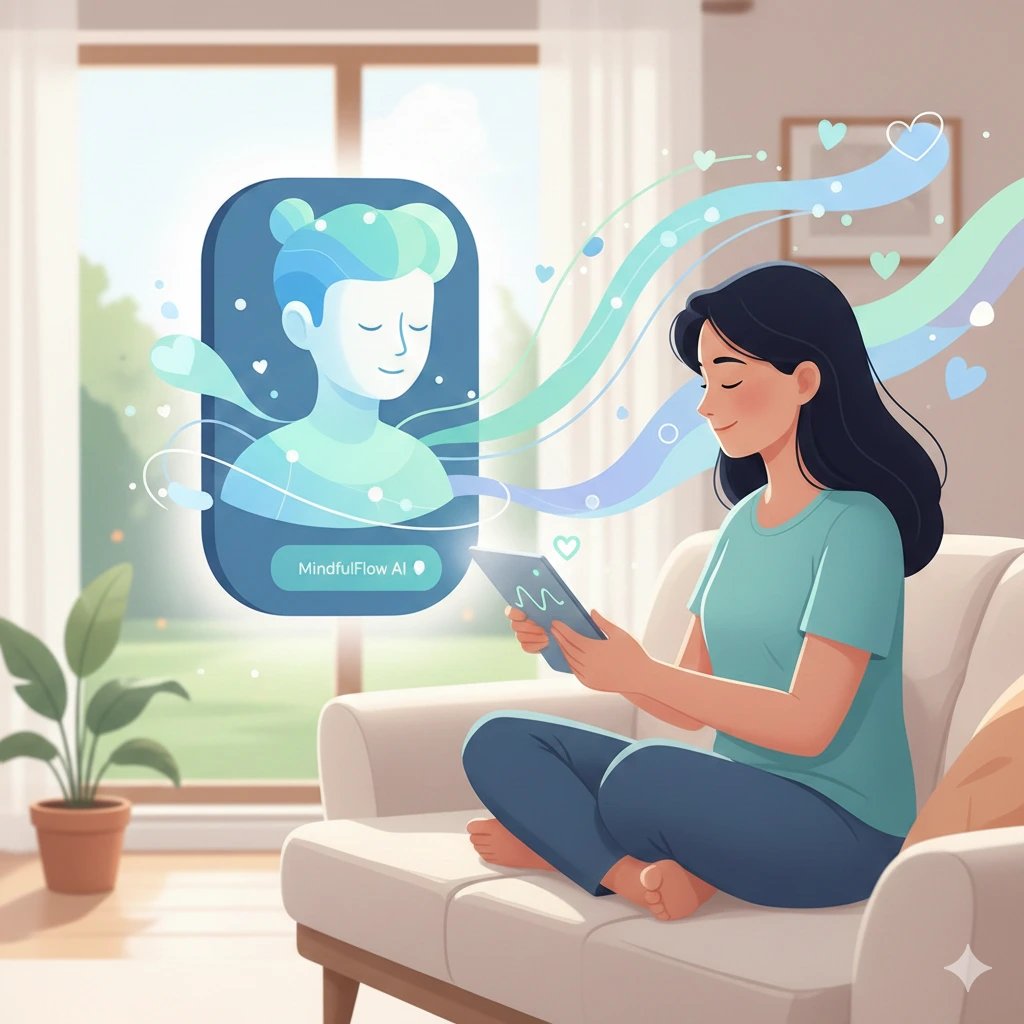
Introduction Stress and anxiety have quietly become part of everyday life for millions of people. It’s not always one big problem causing it—it’s often a mix of things. Work deadlines, financial worries, family responsibilities, and the constant uncertainty about the future can slowly pile up. Over time, this pressure starts to show up in different ways. Sleep becomes harder, focus drops, and even simple tasks can begin to feel overwhelming. While traditional therapy is helpful, it doesn’t always fit into everyone’s life. Some people can’t afford it, while others may not have access to it regularly. More importantly, stress and anxiety don’t just appear once a week—they show up daily. That’s why ongoing support matters. This is where AI-powered mental health tools are starting to play an important role. By offering free, continuous, and personalized support, they provide a practical way for people to manage their mental well-being as part of their daily routine. Understanding Everyday Stress and Anxiety Stress and anxiety don’t always look obvious. They’re not always dramatic or easy to recognize. In fact, most of the time, they show up in subtle ways that people learn to ignore. For example, someone might find themselves overthinking small decisions, replaying conversations in their head, or feeling constantly on edge without knowing why. Others may feel emotionally drained, even if they haven’t done much physically. Sleep problems are also common—either struggling to fall asleep or waking up feeling unrested. These signs are easy to dismiss as “normal,” especially in a busy lifestyle. But when they continue for a long time, they can slowly affect both mental and physical health. What starts as mild stress can turn into something much more difficult to manage if left unaddressed. Why Daily Mental Health Support Matters Mental well-being isn’t something that improves overnight. It’s built gradually through small, consistent actions. Just like physical health requires regular care, emotional health also needs attention on a daily basis. When people have access to daily support, they become more aware of their emotional patterns. They start noticing what triggers their stress and how they عادة react to it. This awareness is powerful because it allows them to respond differently instead of reacting automatically. For instance, instead of letting stress build up throughout the day, a person can pause, reflect, and take small steps to calm themselves. Over time, these small actions create healthier habits and a stronger sense of emotional balance. How AI Mental Health Tools Fit Into Daily Life AI mental health tools are designed to be simple, accessible, and easy to use. Unlike traditional support systems that require appointments, these tools are available whenever a person needs them—whether it’s early in the morning or late at night. They usually work through conversations. A user might check in, share how they’re feeling, and receive supportive responses or suggestions. These interactions don’t feel clinical or complicated—they feel more like a guided conversation that helps the person reflect and understand their emotions better. For example, if someone is feeling overwhelmed after a long day, they can open the tool, express what’s bothering them, and receive immediate guidance. This instant support can make a significant difference, especially in moments when stress feels intense. Managing Stress Through Regular Check-Ins One of the most helpful features of AI mental health tools is regular emotional check-ins. These simple moments of reflection encourage people to pause and ask themselves how they’re really feeling. In a busy day, most people don’t take the time to reflect. They move from one task to another, carrying stress without realizing it. A quick check-in can break that cycle. It helps identify what’s causing tension and brings awareness to emotions that might otherwise go unnoticed. For example, someone might realize that their stress isn’t just about work—it could be a combination of lack of sleep, too much screen time, or unresolved worries. Once these patterns become clear, it becomes easier to address them. Reducing Anxiety With Simple Techniques Anxiety often feels overwhelming because it affects both the mind and the body. The heart races, thoughts speed up, and it becomes difficult to relax. In these moments, having immediate tools to calm down can be incredibly helpful. AI mental health platforms often provide simple techniques that can be used anywhere. These might include guided breathing exercises, short mindfulness practices, or prompts that help reframe negative thoughts. For instance, a person experiencing anxiety before an important meeting can use a quick breathing exercise to slow their heart rate and regain focus. These small techniques may seem simple, but when used consistently, they become powerful tools for managing anxiety. Personalized Support That Grows With You One of the key advantages of AI-based tools is personalization. Instead of offering the same advice to everyone, these systems adapt based on how a person interacts with them over time. This means the support becomes more relevant. If someone frequently struggles with stress related to work, the tool may start offering suggestions specifically tailored to that situation. If another person deals with sleep issues, the guidance may focus more on relaxation and bedtime routines. This kind of personalized support makes the experience feel more meaningful. It’s not just generic advice—it’s guidance that feels connected to real-life situations. Building Emotional Regulation Emotional regulation is the ability to manage feelings in a balanced and healthy way. It doesn’t mean ignoring emotions—it means understanding them and responding thoughtfully. Many people struggle with this without even realizing it. They may react quickly to stress, feel overwhelmed by small challenges, or have difficulty calming down once they’re upset. With regular use of mental health tools, individuals start to slow down their reactions. They learn to pause, think, and respond more calmly. For example, instead of reacting immediately to frustration, they might take a moment to breathe and reflect before responding. Over time, this creates a stronger sense of control and confidence in handling difficult situations. Making Mental Health Support Truly Accessible One of the biggest strengths of AI mental

How AI Mental Health Tools Help People Manage Stress and Anxiety Daily Read More »

Breaking the Stigma: How Free Mental Health Support Encourages People to Seek Help

Introduction For many people, the most difficult part of dealing with mental health challenges is not the struggle itself—it’s asking for help. Opening up about emotions can feel uncomfortable, even risky. There’s often a quiet fear of being judged, misunderstood, or labeled in a way that feels limiting. Because of this, countless individuals choose to stay silent. They carry their thoughts and feelings alone, even when support could make a meaningful difference. This silence is not always a personal choice—it is often shaped by something much larger: mental health stigma. Despite growing awareness around mental health, stigma continues to act as a powerful barrier. However, one important shift is beginning to change this pattern—free and accessible mental health support. When help is available without cost, pressure, or expectations, people feel safer taking that first step. Understanding Mental Health Stigma Mental health stigma doesn’t appear overnight. It is often rooted in long-standing beliefs, cultural norms, and misunderstandings. In many communities, emotional struggles are seen as a sign of weakness rather than something natural and human. For example, someone experiencing anxiety might be told to “just stay strong” or “stop overthinking,” instead of being encouraged to talk about what they’re going through. Over time, these messages create an environment where people feel they must hide their struggles rather than address them. This leads to silence and isolation. People begin to internalize the idea that their feelings are something to be ashamed of. As a result, even when support is available, they may hesitate to use it. Why People Hesitate to Seek Help Even when individuals recognize that they need help, taking action is not always easy. There are many reasons why someone might avoid reaching out, and most of them are deeply personal. Some worry about being labeled or judged. Others are concerned about privacy and whether their personal thoughts will remain confidential. Financial pressure can also play a role—when support is expensive, it adds another layer of stress to an already difficult situation. In some cultures, there is also a strong expectation to appear resilient at all times. People are encouraged to handle problems on their own, which can make seeking help feel like failure rather than strength. These barriers don’t just delay support—they often prevent it entirely. How Free Mental Health Support Changes the Dynamic When mental health support is free, something important shifts. The decision to seek help becomes less complicated. There is no financial commitment, no pressure to justify the cost, and no fear of wasting money if someone is unsure. This creates a sense of ease. People feel more comfortable exploring support because there is nothing to lose. It becomes a low-risk step, which is especially important for those who are hesitant or unsure. For example, someone who would never book a paid therapy session might feel open to trying a free support tool. That small step can lead to greater awareness, and eventually, a willingness to seek deeper support if needed. Making Mental Health Feel Normal One of the most powerful effects of accessible support is normalization. When mental health resources are easy to access and widely available, they begin to feel like a natural part of everyday life. Instead of being seen as something only for “serious problems,” mental health care becomes something people use regularly—just like physical health care. This shift helps remove the sense of shame that often surrounds emotional struggles. As more people engage with mental health tools, conversations become more open. Friends, families, and communities begin to talk about these topics more freely. Over time, this openness reduces stigma and creates a more supportive environment for everyone. The Importance of Privacy and Safe Access Privacy plays a huge role in whether someone feels comfortable seeking help. Many people are not ready to share their thoughts openly, especially in the early stages of their mental health journey. Free digital tools, particularly AI-powered platforms, offer a level of privacy that traditional methods sometimes cannot. Individuals can explore their thoughts without fear of being exposed or judged. This sense of safety allows people to be more honest. They can express feelings they may have never shared before. For many, this is the first step toward understanding themselves better. How AI Tools Encourage Openness AI-powered mental health tools create a unique kind of space—one that feels supportive but not intimidating. These tools don’t judge, interrupt, or form opinions. They simply respond, guide, and encourage reflection. Because of this, people often feel more comfortable opening up. They can share thoughts at their own pace, without worrying about how they are being perceived. For example, someone who feels anxious about talking to another person might find it easier to start with an AI-based tool. Over time, this can build confidence and make it easier to seek other forms of support. Reaching Communities Where Stigma Is Strong In some communities, mental health is still a sensitive or even taboo topic. Open discussions may be discouraged, making it even harder for individuals to seek help. Free and accessible digital tools offer a way around this barrier. By providing support through familiar devices like smartphones, they make mental health care more approachable. People can access help privately, without needing to explain themselves to others. This quiet accessibility allows support to reach individuals who might otherwise never have the opportunity. The Role of Education in Reducing Stigma Education is one of the most effective ways to challenge stigma. When people understand mental health better, they are less likely to judge themselves or others. Free mental health platforms often include simple, easy-to-understand content that explains emotions, stress, and common challenges. This helps people realize that what they are experiencing is not unusual. For example, learning that anxiety is a common response to stress can be incredibly reassuring. It shifts the perspective from “something is wrong with me” to “this is something I can understand and manage.” Creating Space for Honest Expression One of the most important aspects of mental health support

Breaking the Stigma: How Free Mental Health Support Encourages People to Seek Help Read More »

How Free Mental Health Support Helps People Feel Less Alone

Introduction Feeling alone isn’t always about being physically isolated. Many people go through their daily lives surrounded by others—family, coworkers, classmates—yet still feel emotionally distant and disconnected. It’s possible to be in a crowded room and still feel like no one truly understands what you’re going through. This kind of loneliness has become increasingly common. It doesn’t always show itself clearly, but it quietly affects how people think, feel, and interact with the world. When someone feels unheard or misunderstood for a long time, that sense of isolation can deepen. For those who don’t have access to support—or don’t know where to find it—this feeling can become even heavier. That’s why free mental health support plays such an important role. It offers a space where people can express themselves without fear, feel acknowledged, and begin to reconnect—both with others and with themselves. Loneliness as More Than Just a Feeling Loneliness is often misunderstood as a temporary emotion, something that passes with time. But when it continues for a long period, it can have a deeper impact on mental health. For example, someone who consistently feels disconnected may begin to lose motivation, withdraw from social situations, or doubt their own self-worth. Everyday challenges can start to feel more difficult, not because they are bigger, but because there is no emotional support to help carry them. Over time, this can lead to increased stress, anxiety, and even depression. What begins as a quiet feeling of disconnection can slowly influence many areas of life if it goes unaddressed. Why So Many People Stay Silent Even when people feel lonely, reaching out is not always easy. There are many reasons why someone might choose to keep their feelings to themselves. Some worry about being a burden to others. They may think that their problems are not important enough to share or that others are already dealing with their own challenges. Others may fear being judged or misunderstood, especially in environments where mental health is not openly discussed. Financial limitations also play a role. Professional support is not always affordable, and this can make people feel like help is simply out of reach. In many cases, people don’t even know where to begin, which makes taking the first step even harder. As a result, many individuals continue to deal with their emotions alone, even when they don’t have to. How Free Mental Health Support Creates Connection Free mental health support provides something simple but powerful—a starting point. It gives people a place where they can share their thoughts without pressure or expectations. Even a small interaction can make a difference. Being able to express feelings openly, without worrying about judgment, helps people feel acknowledged. It reminds them that their emotions matter and that they are not invisible. For example, someone who has been holding in their thoughts for days might feel a sense of relief after finally expressing them. That moment of release can reduce the intensity of loneliness and create a sense of connection, even if it’s just the beginning. The Reassurance of Available Support Sometimes, the most comforting thing is simply knowing that support is there. Free and easily accessible mental health tools provide that reassurance. In moments of stress or emotional overwhelm, knowing that there is a place to turn can make a big difference. It reduces the feeling of being completely alone with one’s thoughts. For instance, late at night—when worries often feel heavier—having access to support can bring a sense of calm. It doesn’t always need to be a long conversation. Even a short interaction can help ground emotions and provide stability. The Role of AI in Providing Consistent Support AI-powered mental health tools are becoming an important part of addressing loneliness. They offer consistent and immediate interaction, which can be especially helpful when human support is not available. These tools create a space where individuals can express themselves freely. There is no fear of interruption, judgment, or misunderstanding. The responses are designed to be supportive and encouraging, helping users reflect on their emotions. For example, someone feeling overwhelmed can share their thoughts and receive guidance instantly. While AI cannot replace human relationships, it can provide meaningful support in moments when someone feels alone. Creating a Safe Space for Honest Expression One of the biggest barriers to connection is the fear of being judged. When people feel that their emotions might be dismissed or misunderstood, they are less likely to open up. Free mental health platforms help remove this fear by offering a safe and private space. Here, individuals can speak honestly about what they’re feeling, even if they’re not sure how to put it into words. Over time, this builds confidence. People become more comfortable expressing themselves, which can eventually help them open up in other areas of their lives as well. Support During Life’s Difficult Transitions Loneliness often becomes stronger during periods of change. Moving to a new place, starting a new job, ending a relationship, or facing financial difficulties can all create a sense of instability. During these times, people may feel disconnected from their usual support systems. Free mental health support can provide a sense of grounding, helping individuals navigate these changes without feeling completely alone. For example, a student adjusting to a new environment may use support tools to process their feelings and adapt more comfortably. These small moments of support can make transitions feel less overwhelming. Reconnecting With Yourself Feeling less alone is not only about connecting with others—it’s also about reconnecting with yourself. Many people lose touch with their own emotions, especially when they are constantly busy or stressed. Mental health support tools encourage reflection. They help individuals understand what they are feeling and why. This self-awareness creates a stronger sense of inner connection. As people become more in tune with their emotions, they begin to feel more grounded. This reduces the sense of emptiness that often comes with loneliness. Reaching Those Without Support Systems Not everyone has a strong network of

How Free Mental Health Support Helps People Feel Less Alone Read More »

Scroll to Top